by Alvina Quatrano | Oct 12, 2017 | Services
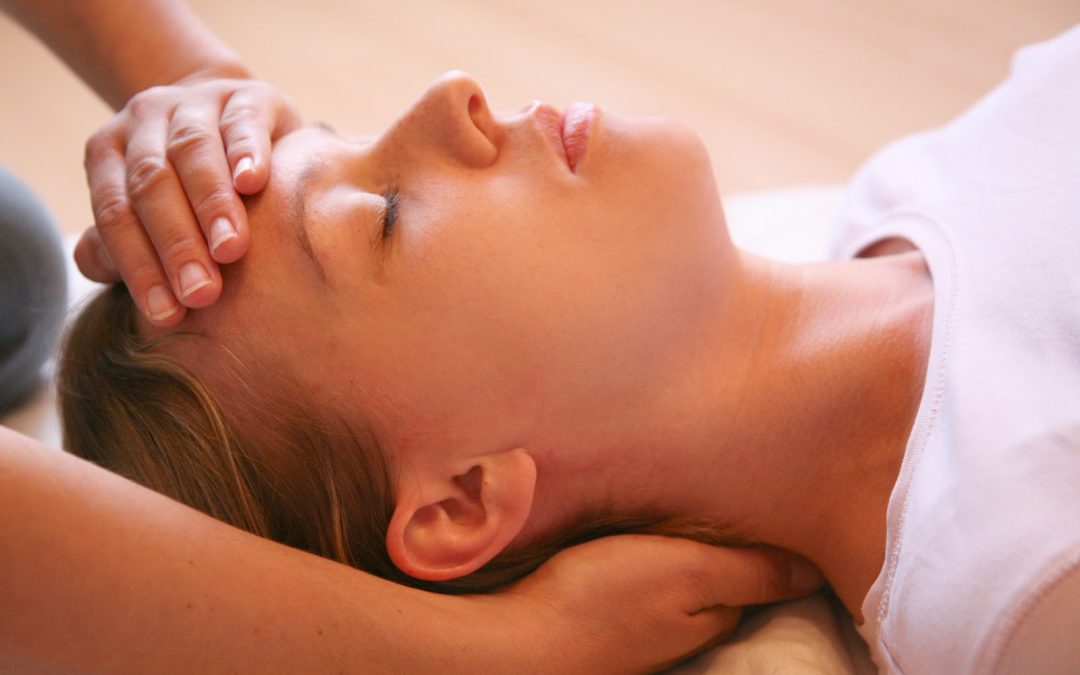
Cranio Sacral Therapy is a light-touch method around the head and spinal cord area to improve and enhance your Central Nervous System.
Somato Emotional Release is a process by which touch is used to assist you in letting go and releasing emotions that may be stored in various areas of the body causing stress and ill-health.
Schedule Appointment
by Alvina Quatrano | Dec 28, 2024 | Services
Looking to give a gift of relaxation and restoration? Choose any of our pre-packaged gift certificate services or select your own value gift certificate:
by Alvina Quatrano | Oct 5, 2017 | Resources
Why Massage?
* Deep relaxation is induced by massage
* Bursitis responds favorably to massage
*The release of tension in regular massage sessions often enables the receiver to overcome long- standing emotional turmoil because renewed energy becomes available to aid in coping with them.
* Fractures, breaks and dislocations take less time to heal
* Greater achievements are possible with renewed energy and a cleared mind.
* Sprains heal more easily
* Adhesions can be prevented or broken down to effect greater mobility
* Self-esteem improves
* The function of every internal organ can be improved
* Mental and physical fatigue is relieved
* Digestion, assimilation and elimination can be improved
* Chronic neck and shoulder tension can be released
* The detoxifying function of the kidneys is enhanced
*Muscles receive and increased blood supply increased of nutrients that help to improve their functioning
* Massage heightens tissue metabolism
* Calf cramps and other muscle spasms can be eliminated
* The lymphatic system is flushed waste products that accumulate in muscles after vigorous exercise can be removed to prevent soreness and aching
* Massage returns blood to the heart thereby assisting cardiac functions
*Muscle tone can be improved, and muscular atrophy due to forced inactivity, can be reduced
* Massage can benefit anemics by increasing the number of red blood cells.
*Massage is a form of passive exercise that can partially compensate for lack of exercise.
* Eyesight and hearing can be improved
*Chest pains related to tight pectoralis muscles can be eliminated and a tension-causing fear of heart attack alleviated
*Nasal congestion and sinus conditions improve dramatically and often totally disappear
*Sore throats can be encouraged to heal more quickly. If treated within the first hour it can often be averted
* Fat stored in your tissues may be reduced
* Massage dilates blood vessels to improve circulation
*All types of headaches(Gall Bladder, Liver, Stomach,Large Intestine, emotional and migraine) can be eliminated
*Arthritis patients experience relief because improved circulation to the joint reduces inflammation and pain
*The balding process can be stopped, reduced or reversed through frequent massaging of the shoulders, neck, and head and by making contact with neurovascular holding points
*Directly massaging the hands helps to relieve and sometimes eliminates neuralgic, arthritic and rheumatic disorders.
*Wrinkles can be lessened due to improved circulation.
by Alvina Quatrano | Oct 4, 2017 | Resources
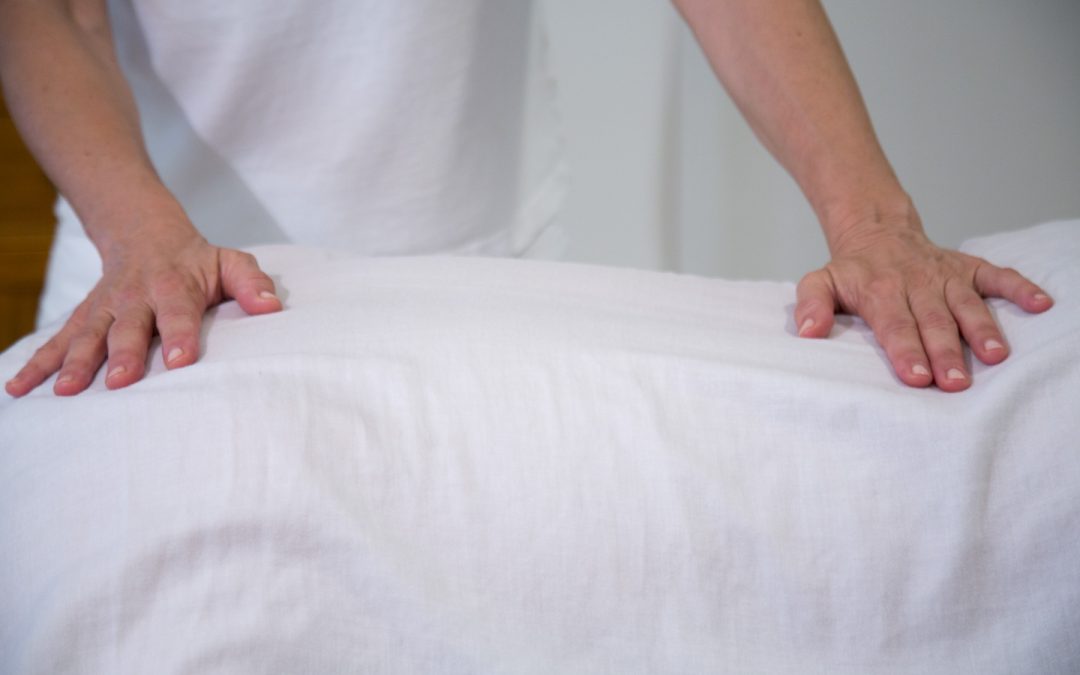
Preparing for a Massage
Massage is a healing art, tailored to meet your needs and one of the nicest things you can do for yourself. As each person is different, this is a only guideline and an introduction to help you decide the most beneficial way for you to receive your massage. The most common question and concern you might have when going to a massage is one that many others share: and that is a question of clothing. Massages are most effective when you wear no clothing, this is because even minimal clothing, such as underwear, covers up important muscle groups. However, nudity can be uncomfortable for many people and so it is important that you make the decision about the amount or lack of clothing you will wear during your session. No matter what you decide, you will always be covered with a sheet for your comfort. Also, it’s important to remove all jewelry and best to leave these personal items at home. Once you have decided on your level of dress, it’s time for you to get comfortable on the massage table. Here’s where it’s time to begin your relaxation.
Some tips:
1. Get comfortable and begin by closing your eyes. Take several deep breaths to draw your attention to your breathing. This focus will allow you to almost immediately become in touch with your body.
2. Breathe deeply through your nose, letting the air flow as deep into your abdominal area as you feel comfortable, without force. Try to sink yourself more and more into the present moment, letting thoughts drift out of your mind as easily as they have drifted in.
3. When you begin to feel your massage therapist’s touch, allow yourself to turn your complete attention to their touch. Tune into the quality of their touch, the way you might listen to the sound of someone’s voice.
4. Allow yourself to continue breathing deeply, remaining connected to your breath. It can be a good technique to imagine your breath flowing into the very area that your therapist is touching. And let yourself sigh.
5. Whether talking will occur during your session depends on you and your therapist. In most cases, talking during the moments of direct body encounter can lead to distraction and inhibit the work of the massage. So less is more.
6. It’s important that when you are working with your therapist that you share any feelings or thoughts that are coming up, if you wish, so that the therapist can move to work with the knots and tensions that occur with regards to these feelings.
7. Talking becomes critical if you need to communicate to your therapist discomfort or if the touching is too deep or too light or if you simply need to use the bathroom.
8. When your massage is over, take time, lie still, keep your eyes closed, continue breathing, and absorb what you are feeling.

by Alvina Quatrano | Oct 3, 2017 | Resources
This is the subtle truth: Whatever you love, you are.–RUMI
Self-Help Process Acupressure: Put 2 hackey sacks in a sock so that you have handles at either end (you can also knot a small towel or place tennis balls at either end). Place the balls on either side of the spine, so that you are lying on them. Starting at the tailbone, begin moving them up every minute an inch at a time until they reach your head–releasing all the tension.
Dr. Fritz Smith’s Parallel Breath Meditation When feeling overwhelmed or uncertain about something like a decision or the pace of life. Sit down and inhale deeply. Imagining that the breath is traveling from your head (crown) to your feet(ground). When you exhale imagine that the breath travels from the feet up through the head. Continue for 10 minutes or until feeling better CD available at www.zerobalancing.com includes Inner Smile meditation
The Enneagram The Enneagram is an ancient form of personality typing devised by the Jesuits to get along better together in the monastaries. It was notoriously passed down verbally until the 1970’s when Helen Palmer, PhD, Stanford University, brought it out in her book, The Enneagram: Understanding Yourself and the Others in Your Life. There are numerous teachers and writers and workshops on the Enneagram today, even a newsletter. Don Richard Riso and Russ Hudson of New York City have an excellent book called, The Wisdom of The Enneagram: The Complete Guide to Psychological and Spiritual Growth for the Nine Personality Types. To take a free Enneagram test click here: RHETI test
The I Ching A fun tool to help focus and find guidance in the moment The Wilhelm-Baynes Edition (classic) The I Ching: A Guide To Life’s Turning Points, Brian Browne Walker Tiger and Dragon I Ching,Rowena Kryder